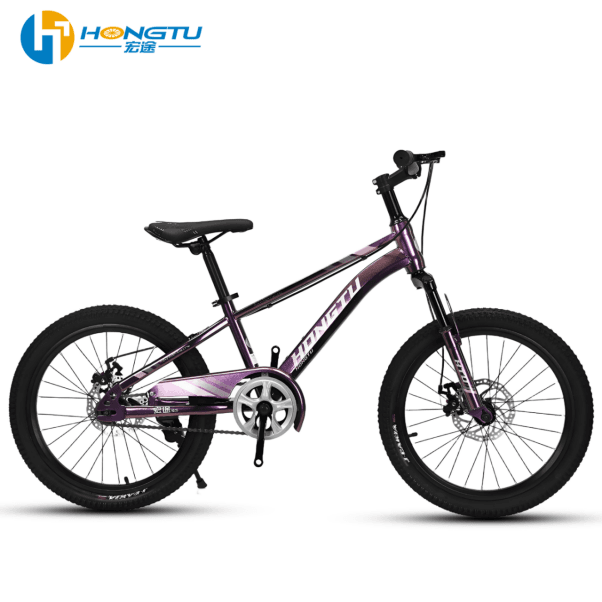

A must-read for students! Tips on choosing a bike for commuting
For students, having a suitable bicycle for their daily commute to school can save them from traffic jams and allow them to enjoy the joy of cycling. However, with so many different bicycles available, how can one choose? Here are some key points to consider when choosing a student bicycle.
Choosing the right bike model is crucial
1. Mountain Bike: If your commute to school involves potholes and gravel, a mountain bike is the perfect choice. It features a sturdy frame, wide tires for excellent grip, and a suspension system that effectively filters vibrations.
2. Folding Bike: If space is limited at school or home, a folding bike is perfect. It folds easily and can be tucked away in a corner of the classroom, on a bus, or in the trunk of a car.
3. City Bike: If your route to school is flat, a city bike is easily maneuverable. These bikes offer a comfortable riding position, and some models come with baskets for storing books and backpacks.
Focus on Core Specifications
1. Frame Material: Aluminum alloy frames are a popular choice for student bicycles. They are lightweight, sturdy, and rust-resistant, making riding easier. High-carbon steel frames are less expensive but relatively heavy. If you have more budget, consider carbon fiber frames, which are ultra-light and rigid, but also more expensive.
2. Shifting System: For roads with varying inclines, 8- to 24-speed shifting systems are more practical. Shifting systems from brands like Shimano and SRAM offer reliable performance, such as Shimano’s Altus and Acera series, allowing students to easily shift to the appropriate gear ratio for both climbing and flat roads, saving effort and being efficient.
3. Braking System: Braking is crucial for cycling safety. Disc brakes offer strong braking force and can operate reliably in adverse conditions like rain and mud, ensuring safe riding. Mechanical disc brakes are affordable, while hydraulic disc brakes offer a more linear feel and better braking performance. V-brakes are less expensive, but their braking performance is relatively weak, making them less suitable for high-speed riding or difficult terrain. 4. Wheel Size: Choose a wheel size based on your height for a comfortable and safe ride. Generally, students between 145 and 160 cm tall are suited to 24-inch wheels, while those over 160 cm tall can opt for 26-inch wheels. The right wheel size ensures greater stability and control.
Comfort details are essential
1. Seat: A comfortable seat can reduce hip fatigue during long rides. A wide, ergonomically designed, soft, and breathable seat is ideal. Some seats are also adjustable to suit individual student needs.
2. Handlebars: The height and width of the handlebars should be tailored to the student’s body proportions. Adjustable handlebars are more user-friendly, allowing students to find the most comfortable riding position and reducing stress on their wrists and arms.
3. Accessories: Bicycles equipped with bells and reflectors are safer. Bells alert passersby, while reflectors improve visibility at night or in low light. Additionally, small accessories such as cup holders and phone holders can enhance riding convenience.In short, choosing a student bike requires careful consideration of factors like road conditions, budget, and personal needs. We hope this guide will help students find their ideal bike and make their commute to school more enjoyable.