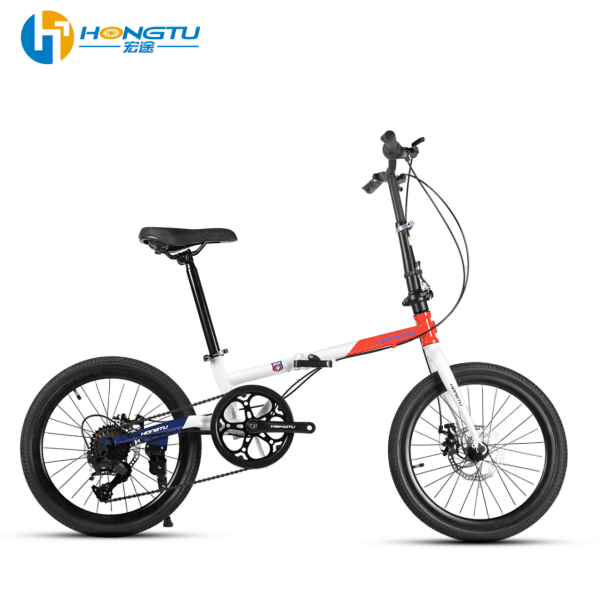

A great commuter companion: A complete guide to buying a bicycle
In the fast-paced city life, choosing a suitable bicycle for daily commuting can not only avoid traffic congestion, but also provide exercise and add to the fun of life. But with so many models on the market, how do you choose? Today, we will provide you with a super practical guide to buying a commuter bicycle.
Clarify your commuting needs and determine your vehicle model
1. Commute Distance: For one-way commutes under 5 kilometers, a standard city bike or folding bike will easily handle them. For distances between 5 and 15 kilometers, a flat-handle road bike or hybrid bike is a good choice. For distances over 15 kilometers, an electric-assisted bike will help you reach your destination easily and reduce physical exertion.
2. Road Conditions: In urban areas with flat roads, a road bike can be used for speed. For commutes with potholes and speed bumps, a mountain bike or a model with suspension can provide increased comfort. For frequent rainy days, consider brake performance and fenders.
3. Storage: For limited space at home or at work, a folding bike is convenient for storage. For ample parking, a regular bike can be chosen for ease of storage.
Focus on key configurations to ensure a comfortable riding experience
1. Frame Material: Aluminum alloy frames are lightweight, durable, and rust-resistant, making them an ideal choice for most commuter bikes. For those on a budget, high-carbon steel frames are affordable but heavier. For those seeking ultimate lightness, carbon fiber frames are a high-end option, but they come with a hefty price tag.
2. Shifting: For urban commuting, a 6- to 18-speed shifting system is generally sufficient. Shifting systems from well-known brands like Shimano and SRAM offer stable performance and precise shifting. For example, Shimano’s Claris (8-speed) or Sora (9-speed) groupsets are suitable for common urban hills.
3. Braking: For daily commuting, V-brakes are economical, easy to maintain, and suitable for general braking needs. For frequent riding on complex terrain, disc brakes are more effective, especially hydraulic disc brakes, which offer strong braking power, a linear feel, and reliable performance even in wet conditions.
4. Tires and Suspension: Tire widths of 28C-35C are suitable, balancing comfort and rolling resistance. If the road is bumpy, you can choose a model with a suspension front fork, or install a suspension seat cushion and silicone grip covers to improve riding comfort.
Important Details
1. Anti-theft Features: Vehicle theft is a major concern. It’s recommended to choose a bike with built-in GPS tracking and a U-lock to significantly reduce the risk of theft.
2.Expanded Functionality: Bikes with rear rack mounting holes and full-coverage fenders are more practical. A rear rack can be used to carry items, while fenders protect against splashing water, making them particularly useful for commuting in the rain.
3. Test Ride Experience: Before purchasing, be sure to test ride the bike to ensure the frame fit is correct. Also, pay attention to smooth braking and shifting, and any unusual noises.
In short, when choosing a commuter bike, you should consider your needs, configuration, and budget. A suitable bike is not only a commuting tool, but also adds color to your life and allows you to enjoy your riding time.